If you are dealing with ongoing foot pain, bunions may be the reason. Bunion treatment focuses on relieving pain, slowing progression, and improving overall foot function. Bunions are more than a cosmetic concern. Left untreated, they can interfere with daily activities, footwear choices, and long-term mobility.
At Mount Joy Foot Clinic, we provide professional bunion treatment in Markham designed to reduce discomfort and help patients stay active. In this guide, we will explain what bunions are, what causes them, how they feel, and the most effective bunion pain treatment options available today.
What Is a Bunion
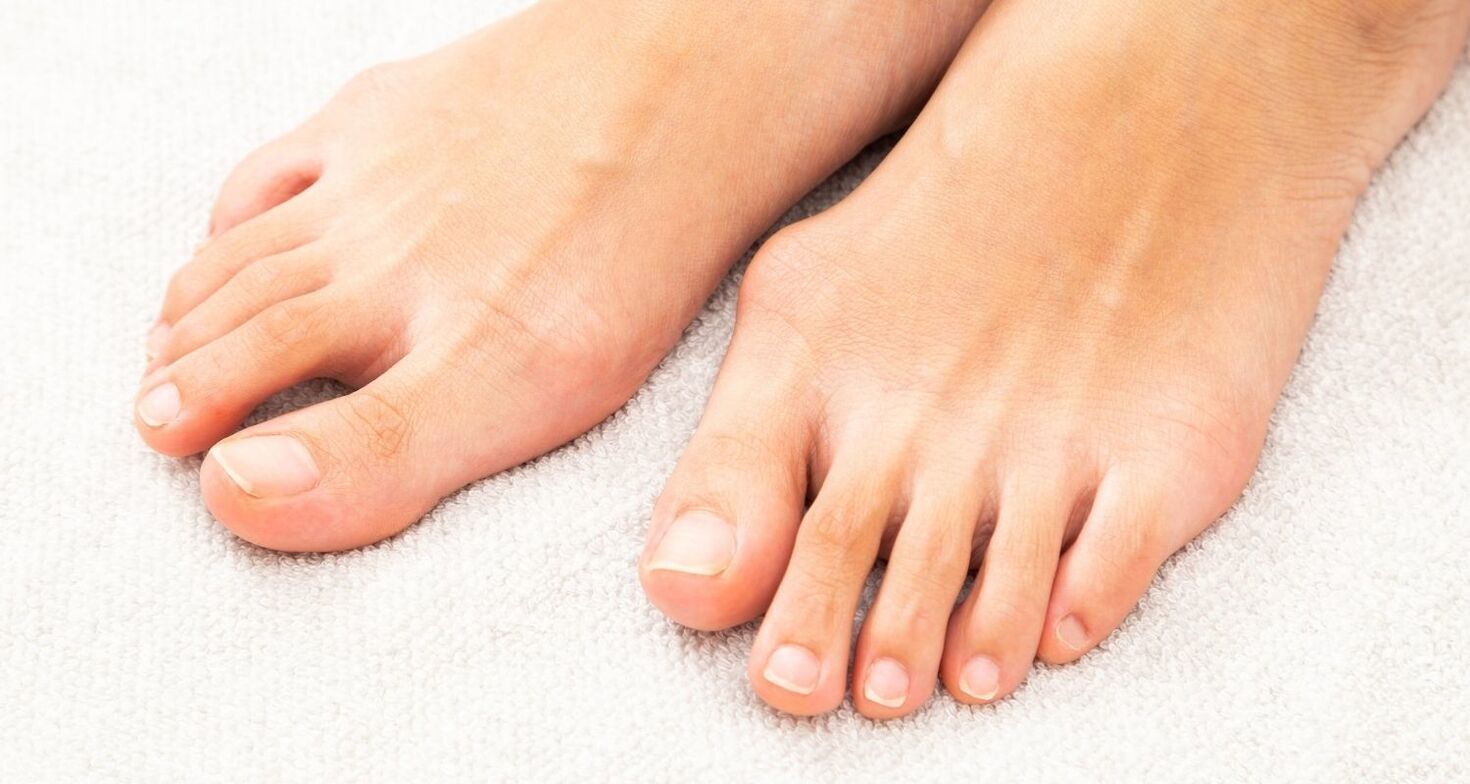
A common question we hear is what is a bunion. A bunion is a bony bump that forms at the base of the big toe joint. It develops when the big toe gradually shifts toward the smaller toes, causing the joint to protrude outward.
Over time, this misalignment can worsen, leading to inflammation, stiffness, and chronic pain. Bunions are progressive, meaning they usually get worse without proper bunion care and foot support.
What Is the Main Cause of Bunions
Understanding what is the main cause of bunions can help prevent them from worsening. Bunions are often caused by a combination of factors, including:
-
Genetics and inherited foot structure
-
Wearing tight or narrow shoes
-
Poor foot mechanics or flat feet
-
Arthritis or joint conditions
-
Repetitive stress on the feet
While footwear does not always cause bunions, improper shoes can accelerate their development and increase pain. This is why professional foot care is essential for managing symptoms early.
Bunion Symptoms You Should Not Ignore
Recognizing early bunion symptoms can make a big difference in treatment success. Common signs include:
-
A visible bump on the side of the big toe
-
Redness or swelling around the joint
-
Pain when walking or standing
-
Limited toe movement
-
Corns or calluses between toes
As bunions progress, they can affect balance and posture, increasing strain on other parts of the foot.
What Does a Bunion Feel Like
Patients often ask what does a bunion feel like. The sensation can vary, but most people experience:
-
Aching or sharp pain around the big toe joint
-
Burning or throbbing discomfort after activity
-
Stiffness in the toe
-
Increased pain when wearing shoes
Without proper bunion pain treatment, even simple activities like walking or standing for long periods can become uncomfortable.
How Do You Get Rid of Bunions
One of the most common questions is how do you get rid of bunions. While bunions cannot always be reversed without surgery, many non-surgical treatments can significantly reduce pain and slow progression.
Effective bunion treatment focuses on symptom relief, proper alignment, and pressure reduction. Early intervention often prevents the need for more invasive procedures later.
Bunion Treatment Options That Work
Conservative Bunion Care
For mild to moderate cases, conservative bunion treatment is often very effective. These options may include:
-
Custom orthotics to correct foot mechanics
-
Padding or splints to reduce pressure
-
Shoe modifications for better support
-
Activity modifications to reduce joint stress
This approach is ideal for patients seeking long-term relief without surgery.
Bunion Pain Treatment for Daily Comfort
Targeted bunion pain treatment can improve quality of life by reducing inflammation and discomfort. Treatment may involve:
-
Anti-inflammatory strategies
-
Supportive footwear recommendations
-
Stretching and strengthening exercises
-
Gait analysis and correction
Professional foot care ensures treatment is tailored to your specific needs and lifestyle.
Advanced Foot Care Solutions
In more advanced cases, professional intervention may be required. At Mount Joy Foot Clinic, we assess the severity of your bunion and recommend the most appropriate bunion treatment in Markham.
In some cases, surgical consultation may be recommended if pain becomes severe or mobility is significantly limited. Surgery is typically considered only after conservative treatments have been exhausted.
Why Professional Foot Care Matters
Bunions affect more than just your toes. Poor alignment can lead to knee, hip, and lower back discomfort over time. Proper foot care helps maintain healthy movement patterns and reduces strain on the entire body.
Seeing a foot care professional early allows for accurate diagnosis, personalized treatment, and long-term prevention strategies.
How Mount Joy Foot Clinic Can Help
At Mount Joy Foot Clinic, our approach to bunion treatment focuses on comfort, function, and prevention. We take the time to understand your symptoms, lifestyle, and goals before creating a personalized treatment plan.
Our clinic offers:
-
Comprehensive bunion assessments
-
Custom orthotics and footwear guidance
-
Conservative and advanced treatment options
-
Ongoing education for proper bunion care
Whether you are experiencing mild discomfort or chronic pain, our team provides trusted bunion treatment in Markham to help you move comfortably again.
Preventing Bunions from Getting Worse
While not all bunions can be prevented, proper care can slow progression. Helpful prevention tips include:
-
Wearing supportive, wide-toe shoes
-
Avoiding high heels and narrow footwear
-
Using orthotics when recommended
-
Maintaining a healthy weight
-
Seeking early foot care at the first sign of pain
Small changes today can prevent major issues in the future.
Final Thoughts
Bunions are a common foot condition, but they do not have to control your life. With the right bunion treatment, pain relief and improved mobility are achievable. Understanding what causes bunions, recognizing early symptoms, and seeking professional foot care are key steps toward long-term comfort.
If you are looking for effective bunion treatment in Markham, Mount Joy Foot Clinic offers expert care tailored to your needs. Early treatment can make all the difference in protecting your foot health and staying active for years to come.